
Preschool Class Overview
We offer morning and afternoon, 3-and 4-day preschool classes. A typical preschool day includes a daily class meeting, exploration time with materials that support all areas of development, outdoor exploration, specials, and a snack.
The hallmarks of our approach are:
A strong foundation.
Before children are ready to read, they need to develop a variety of skills like print awareness, letter knowledge, phonological awareness, and narrative skills.
In preparation for understanding math concepts, young children need to explore activities like patterning, sorting and classifying, and comparing.
Before children are ready to write, they need to develop their fine motor skills, hand-eye coordination, and bilateral coordination.
Our curriculum focuses very intentionally on pre-reading, pre-writing and pre-math skills to prepare students for future learning. We incorporate these activities into class every day.
A culture of exploration and engagement.
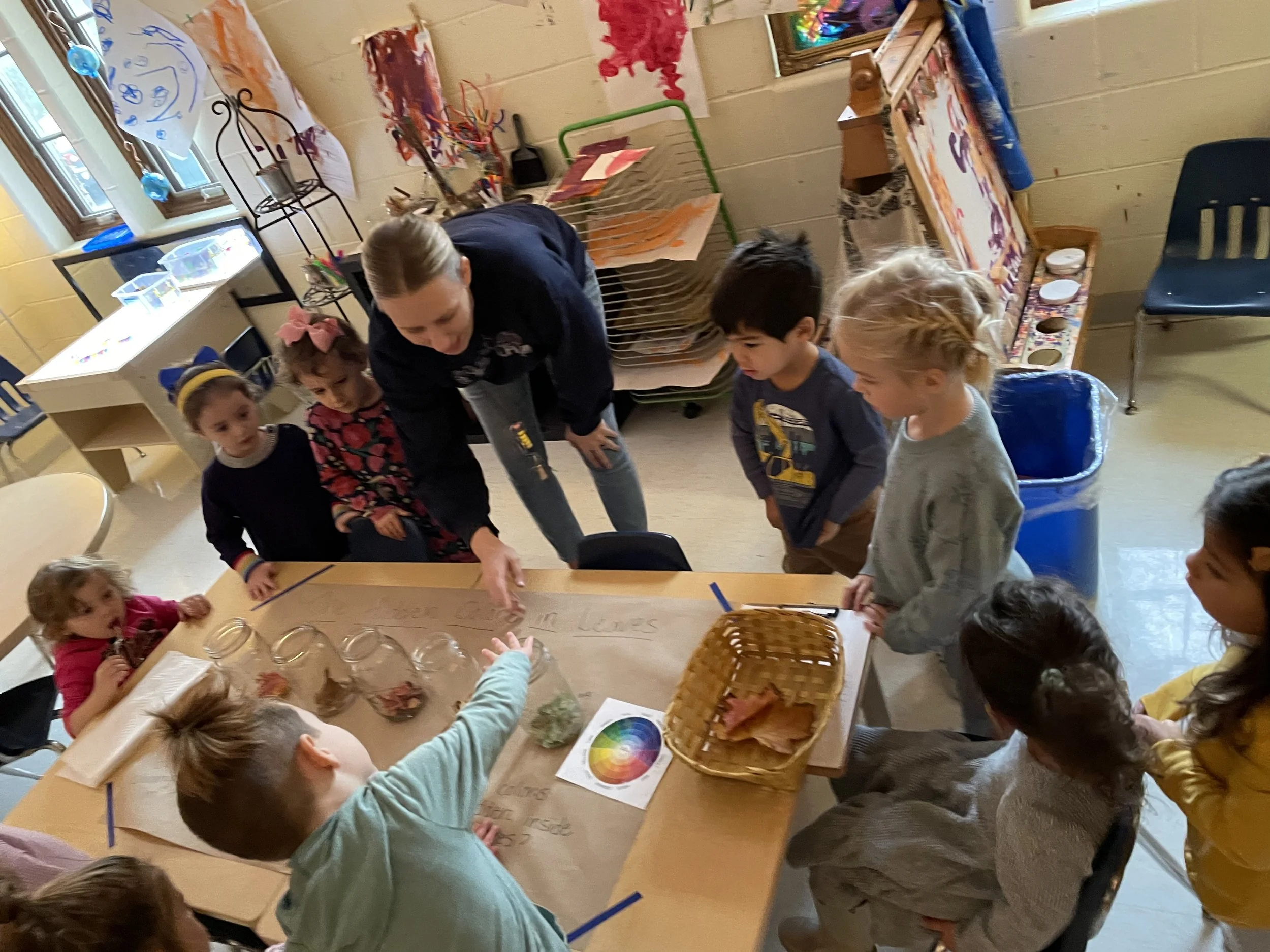
Preschool-aged children are inherently curious and full of wonder. We spend much of our time in the classroom encouraging them to observe and explore. They do this together as a class, in small groups and as individuals. The foundational skills are woven in and around these explorations to keep the kids engaged and joyful about the learning process.
A mixed-age classroom.
Our classes are all mixed age (3-5 years). Studies show that a mixed age approach stimulates development, improves academic and social skills and increases leadership. We see this first-hand in every class. In their first year, a child will learn behaviors and take social cues by observing older children. in their second year, they have the opportunity to be a leader, guiding the younger children. This not only builds their leadership skills but also gives them confidence.

Documenting progress
Our Reggio-inspired environment allows our emergent curriculum to unfold in an open-ended yet guided manner and focuses on the needs of each individual child.
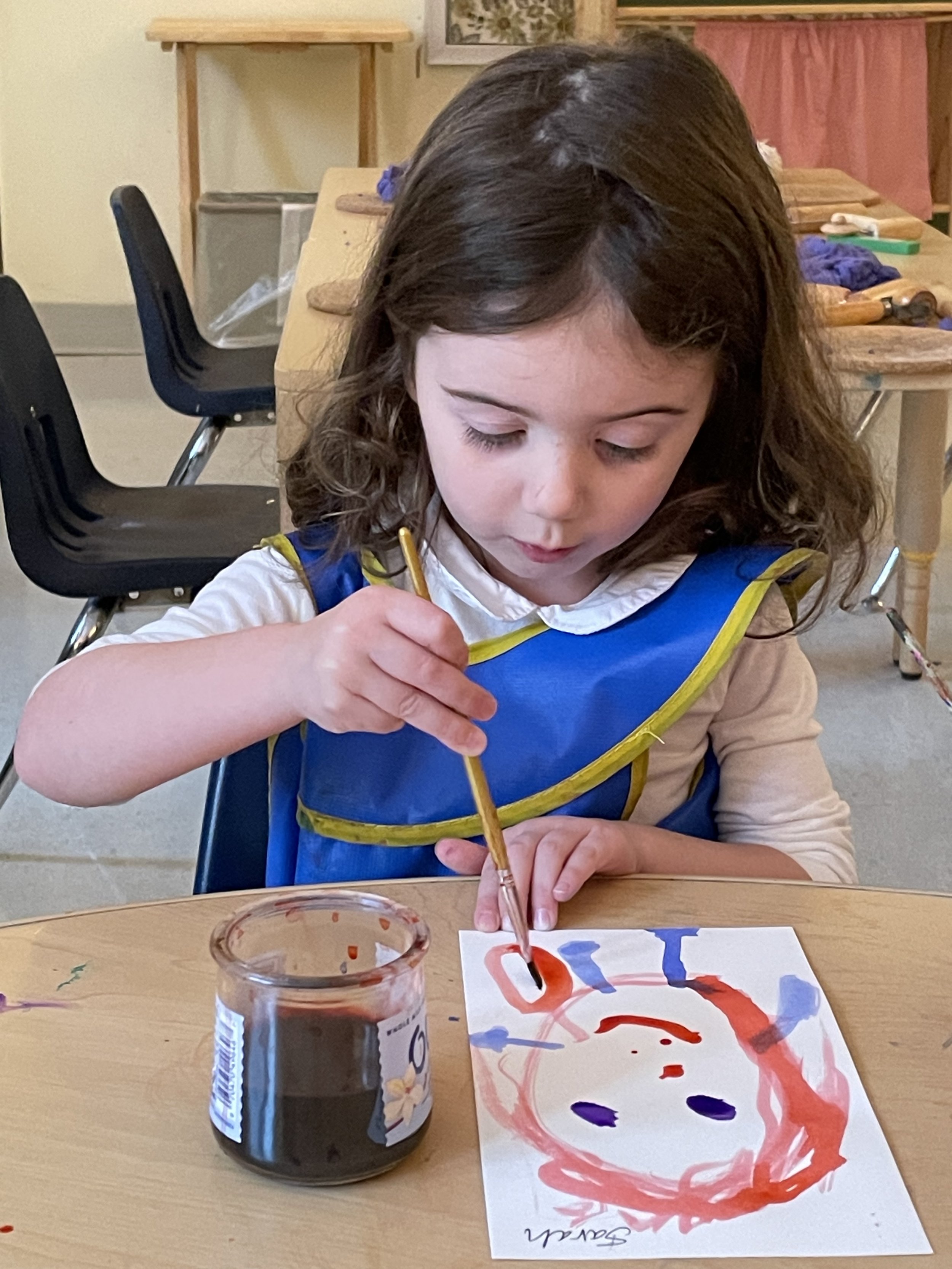
Each day, our teachers collect artwork, take photos, make notes, have conversations, and make overall observations about every child’s development to help monitor progress and inform planning for activities and experiences.
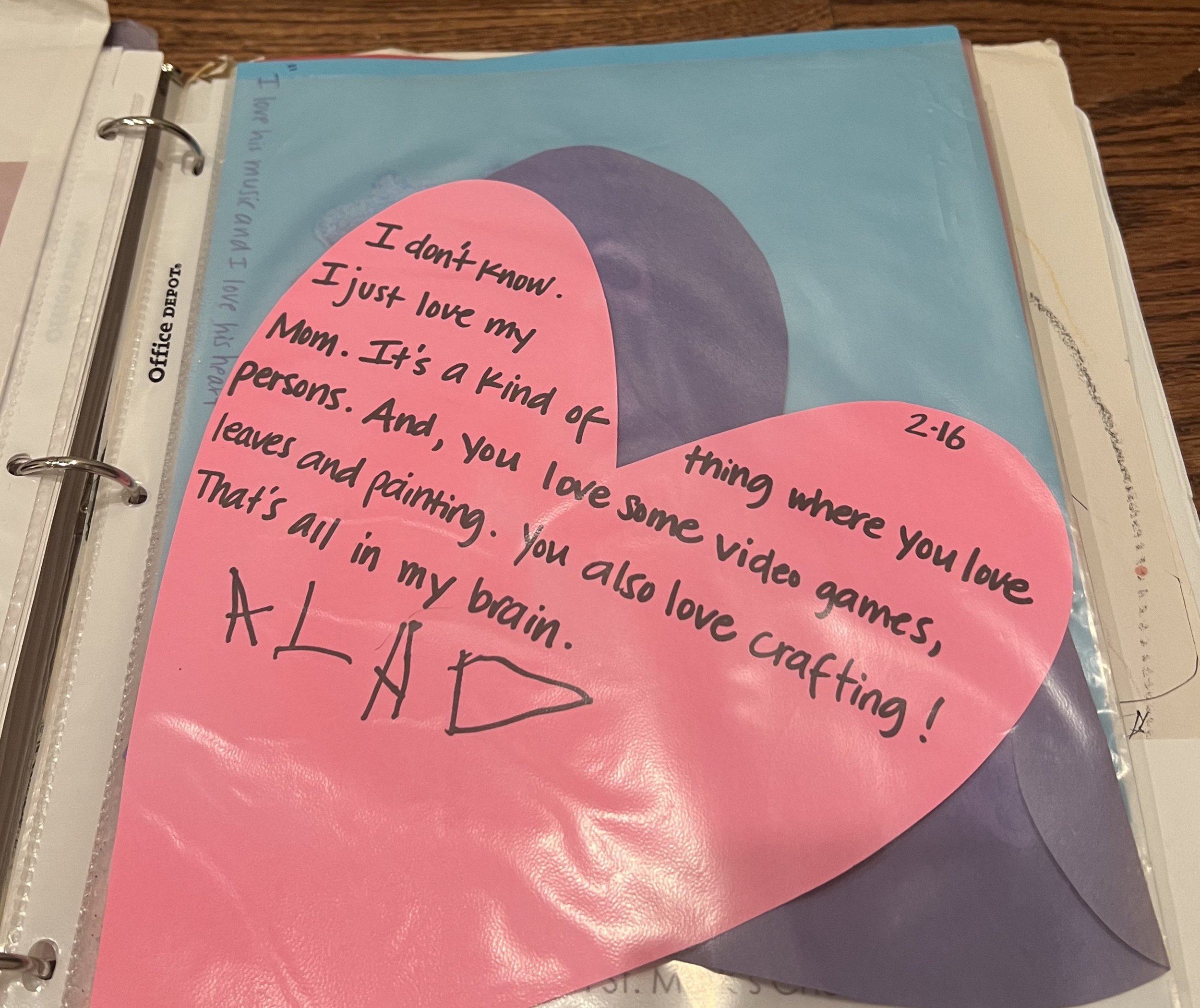
We document the highlights of these observations in a portfolio for each child. This portfolio includes notations of development citing the Illinois Early Learning and Developmental Standards. It also provides an insightful overview of their SMP journey for the year, illustrating studies, investigations, and experiences.



Handwriting without Tears
To assist the children as they begin mark-making, we employ aspects of Handwriting without Tears. This program utilizes a variety of hands-on materials to explore the lines and curves that all letters contain. Our handwriting can include songs, chalkboards, playdough, and a variety of mark-making materials.


Supporting Development
We believe, to honor children, we must meet them where they currently are to support them socially, emotionally and academically.
Developing brains and bodies need to master basic gross and fine motor skills before a milestone like writing occurs. Young children must first understand letters and how they combine to form words before they begin to read.
Teachers support social-emotional development by helping children learn about friendship, working together, self-regulation, and how to express themselves in a warm and nurturing way. They give children the space and support to accomplish self-care tasks, like putting on their own shoes. When given permission and time to accomplish these things, children become more resilient and confident. These are critical skills needed for their entire life journey.
At SMP, children are learning in an immersive way. They may explore math concepts by measuring or counting in a “house building” study or they may explore literacy by writing a menu as part of a “restaurant” study. Much consideration and intention underlie every activity, exploration, and provocation. These intentional play experiences support progressing to their next developmental milestone. The skills developed as preschoolers prepare them to be ready when they are off to kindergarten.